How to Cook Tempeh Without Pre-Boiling or Steaming
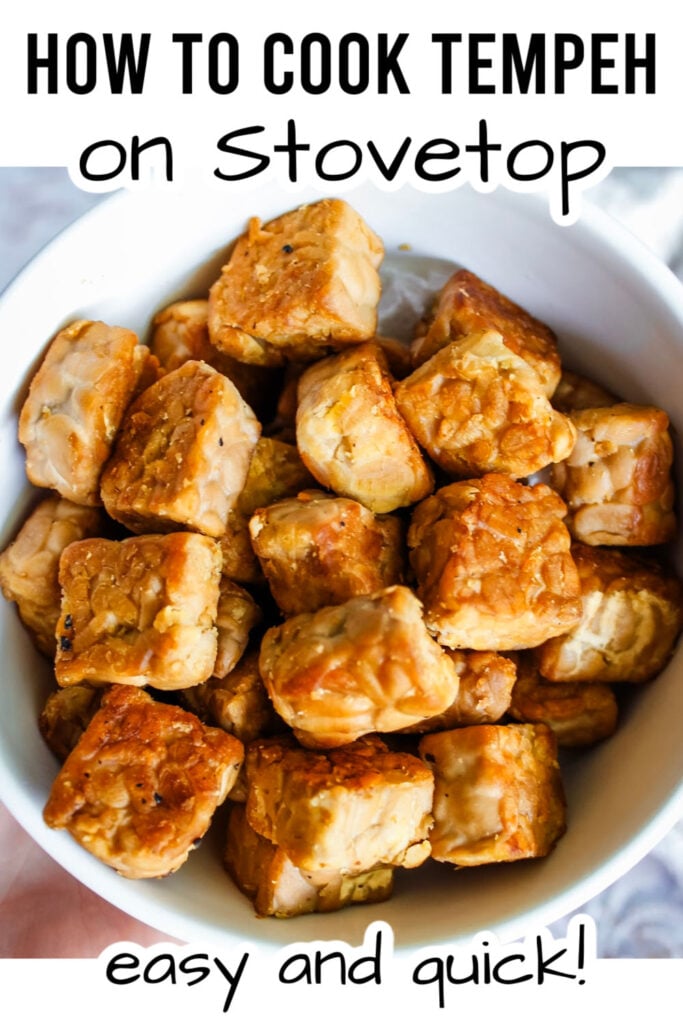
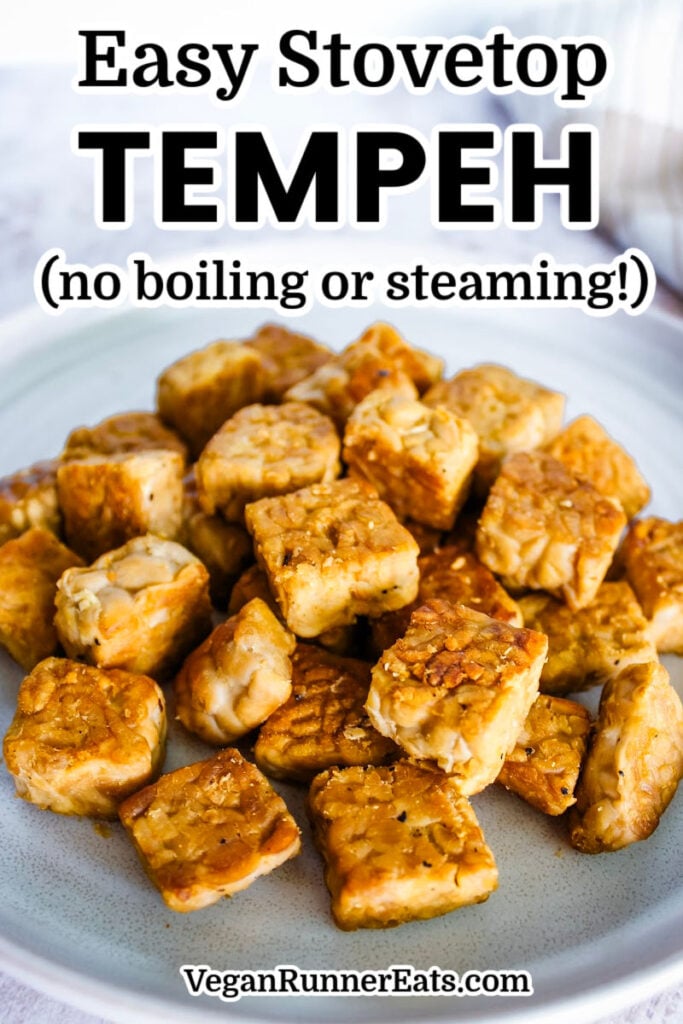
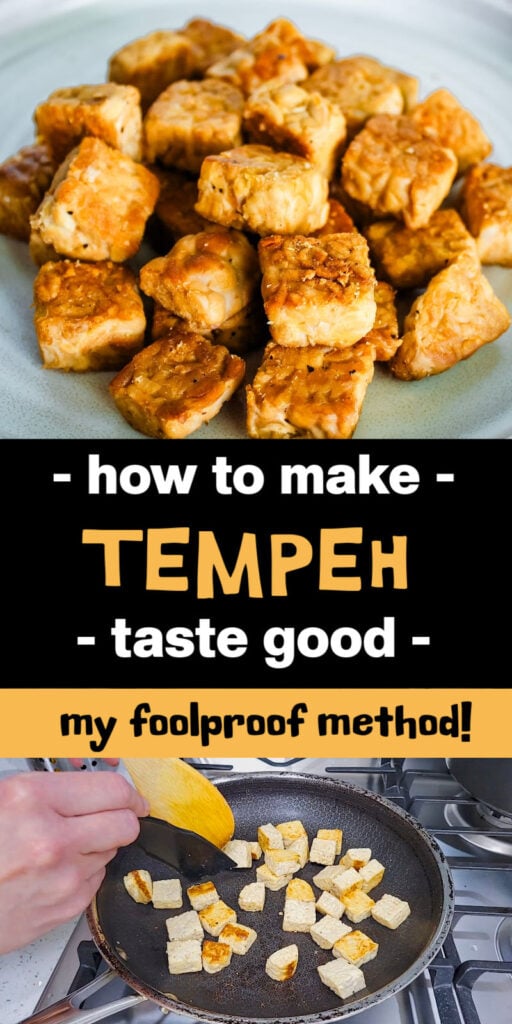
Ever wondered if there's an easy way to cook tempeh without pre-boiling or steaming it first - and still have it come out good? Today I'll show you my tried-and-true, one-pan method of making tempeh for any dish - without any pre-cooking!
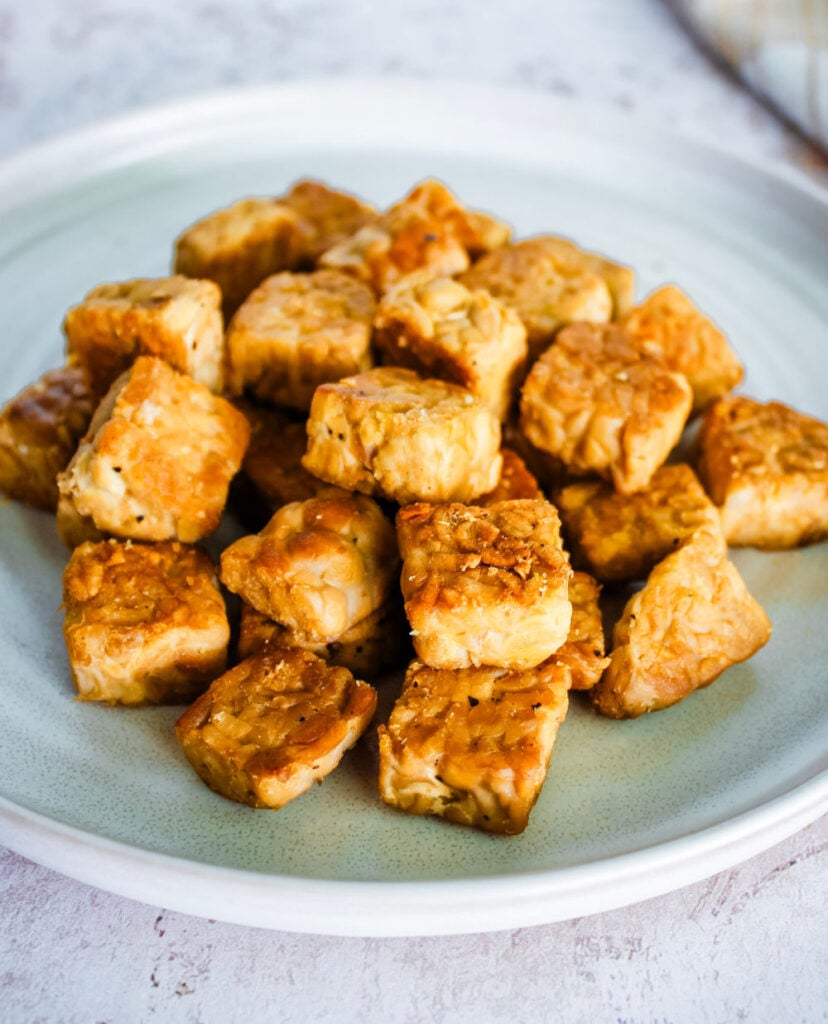
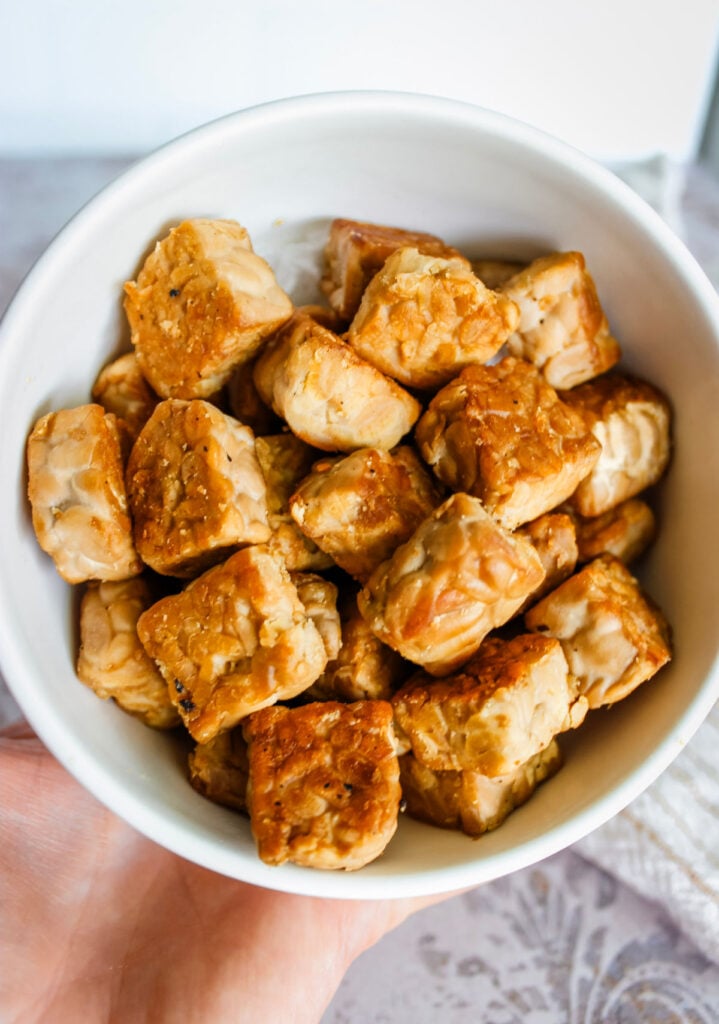
Follow this recipe, and your tempeh will come out tender on the inside, crispy on the outside, with a pleasantly savory flavor resembling chicken.
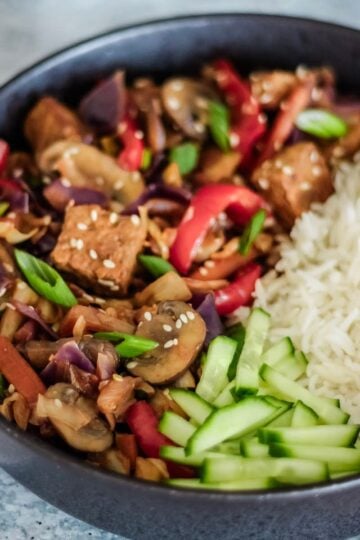
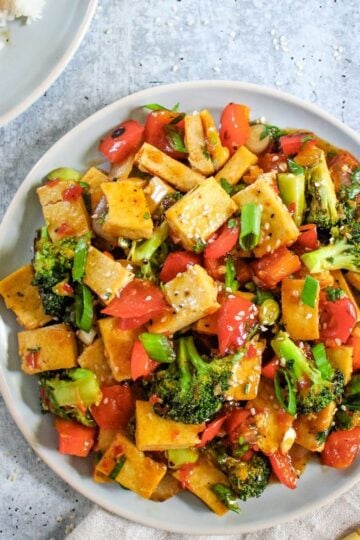
Enjoy it on its own, or use it as a plant-based protein component in stir-fries, tacos, burritos, sandwiches, wraps, and more.
Note: As an Amazon Associate I earn from qualifying purchases. If you make a purchase through my blog, I may receive a small commission, at no extra cost to you. Thank you!
When I first went vegan 14 years ago, I tried tempeh for the first time and found it kind of puzzling.
On one hand, this plant-based meat substitute originating in Indonesia sounded like a nutritional powerhouse:
- Made from whole fermented soybeans = easier to digest than tofu;
- Contains all 9 essential amino acids = a complete protein just like meat;
- Has more protein per ounce compared to tofu.
On the other hand, it can have a strange, bitter aftertaste and rubbery texture - not exactly appetizing.
Turns out, I wasn't the only one put off by tempeh's flavor. Here's the deal...
Why Tempeh Doesn't Taste Good
During fermentation, tempeh develops a nutty, slightly earthy flavor with a hint of bitterness.
If you try a piece of freshly fermented tempeh, that bitterness won't really bother you because it's just a part of its complex flavor, not the "main event".
However, here in the US, most of the tempeh sold in grocery stores has been pasteurized to extend its shelf life.
During pasteurization tempeh loses some of its moisture. As a result, it gets dense and rubbery, and the bitter flavor becomes more noticeable.
Unless you figure out a way to add that moisture back, it will stay bitter and rubbery no matter how you try to cook it.
What Most Tempeh Cooking Methods Get Wrong:
Most tutorials for cooking tempeh miss the important step of getting the moisture back into tempeh. Without it, tempeh will stay dense on the inside no matter what you do with it - fry in the pan, cook in the air fryer, bake it, etc.
How to Improve the Flavor and Texture of Tempeh
Now that we established the importance of rehydrating tempeh, here are three main approaches to do that:
#1. Pre-Boil or Steam Tempeh First
A lot of recipes recommend boiling or steaming tempeh before you cook it. Sort of like, "Step 0" in recipe instructions.
✅ Pros: Adds moisture = less bitterness, more tender texture.
🚫 Cons: Takes extra time and effort; you still have to cook it in some way afterwards - not great on a busy weeknight when you want dinner on the table fast.
#2. Use My "One-Pan Steam-Fry" Method
My method fixes tempeh's flavor and texture AND cooks it through at the same time.
How it works:
- Steam softens and removes bitterness;
- Dry heat creates crispiness (after steam evaporates);
- Doing both in one pan saves time.
✅ Pros: Delicious flavor and tender texture; easier and faster than traditional pre-boiling or steaming; uses little to no oil; done in the same skillet = less cleanup.
🚫 Cons: Not everyone knows about it yet 😄
Here's a video from my YouTube channel where I show how to use this method:
#3. Use Fresh Tempeh
Freshly fermented tempeh still has all of its moisture, so there's no need to add it back.
As a result, its flavor and texture stay exactly as they're supposed to be: complex, slightly mushroom-y, with a tender texture resembling brie cheese rind.
In Indonesia - tempeh's country of origin - people have been eating tempeh freshly fermented tempeh for centuries, both raw and cooked.
But finding fresh tempeh in the US isn't easy since most tempeh at grocery stores has been pasteurized.
A little over a year ago, I found a small, family-owned company called BOSTempeh that makes fresh tempeh and ships it all over the US from their factory in New Hampshire.
Their process of making tempeh combines traditional Indonesian techniques and modern technology.
The resulting fresh tempeh is far better than what we can find in grocery stores: perfectly tender, with a mild flavor that doesn't need any extra cooking steps to shine in every dish.
I've bought tempeh from BOSTempeh multiple times, and every dish I've made with it has come out amazing.
If you'd like to try their tempeh, the company has offered a special discount to the readers of my blog. Use coupon code ALINA on their site over here* to get 10% off your first order.
(*Affiliate link.)
How to Cook Tempeh Without Pre-Boiling or Steaming
(This is an expanded step-by-step version of this recipe. For a more condensed version, see the printable recipe card below.)
You're going to need:
- One 8-ounce block of tempeh
- Seasonings - salt, pepper, garlic powder (optional)
- About ½ cup of water
- A splash of high-heat oil like avocado oil (omit for oil-free)
- A heavy-bottomed skillet with a lid - I've successfully used these pans by Caraway, HexClad (in the pictures below), and Alva.
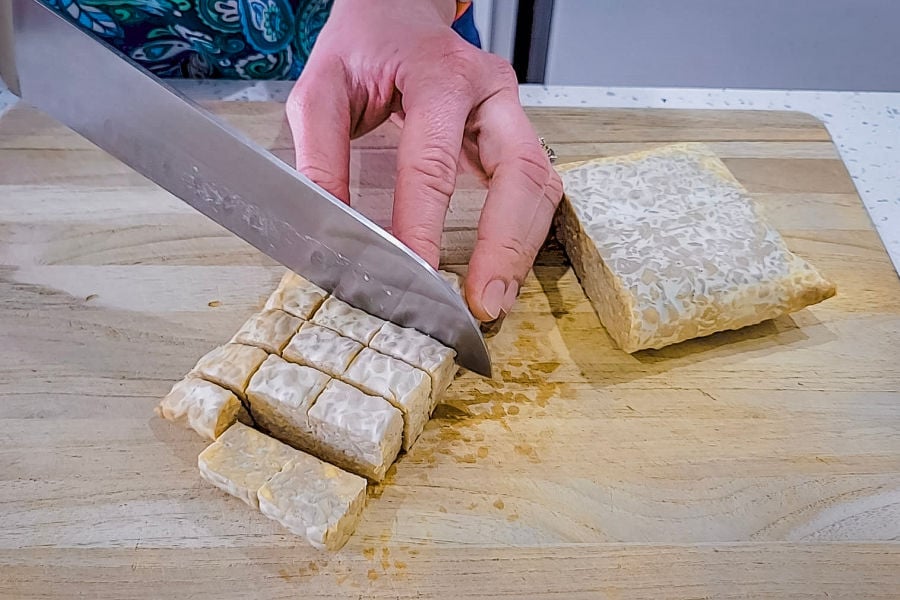
Take your block of tempeh out of the package and cut it into bite-sized pieces. I usually cut it crosswise into 6-8 strips, then cut each strip into 6-8 pieces.
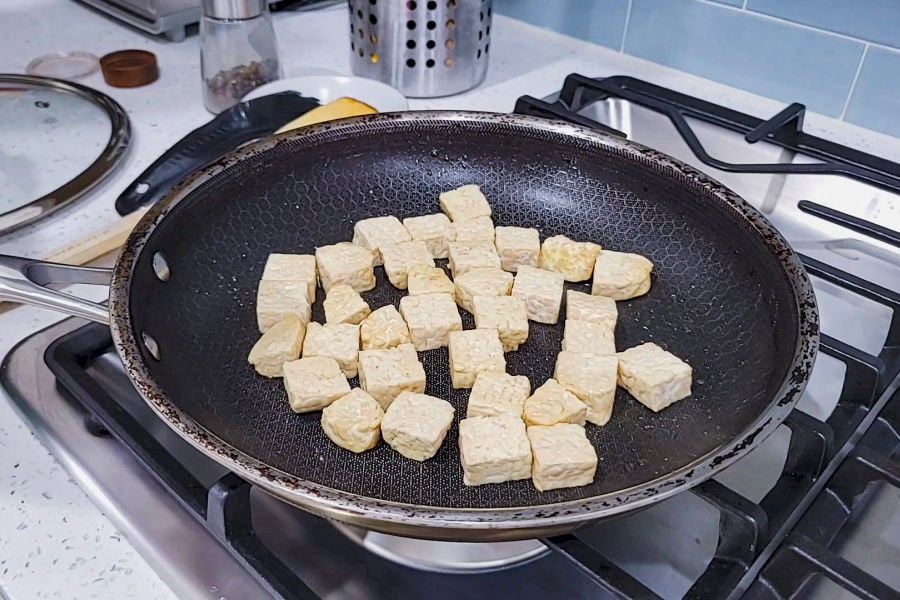
Heat your skillet over medium heat. Once hot, add a splash of oil.
Add in all of the tempeh pieces and arrange them in a single layer.
Try not to overcrowd the skillet - tempeh browns best when the pieces have space. If your skillet is small, cook it in batches.
Sprinkle with salt, black pepper, and garlic powder (if using).
Add a splash of water and immediately cover with a lid. Reduce the heat to medium-low.
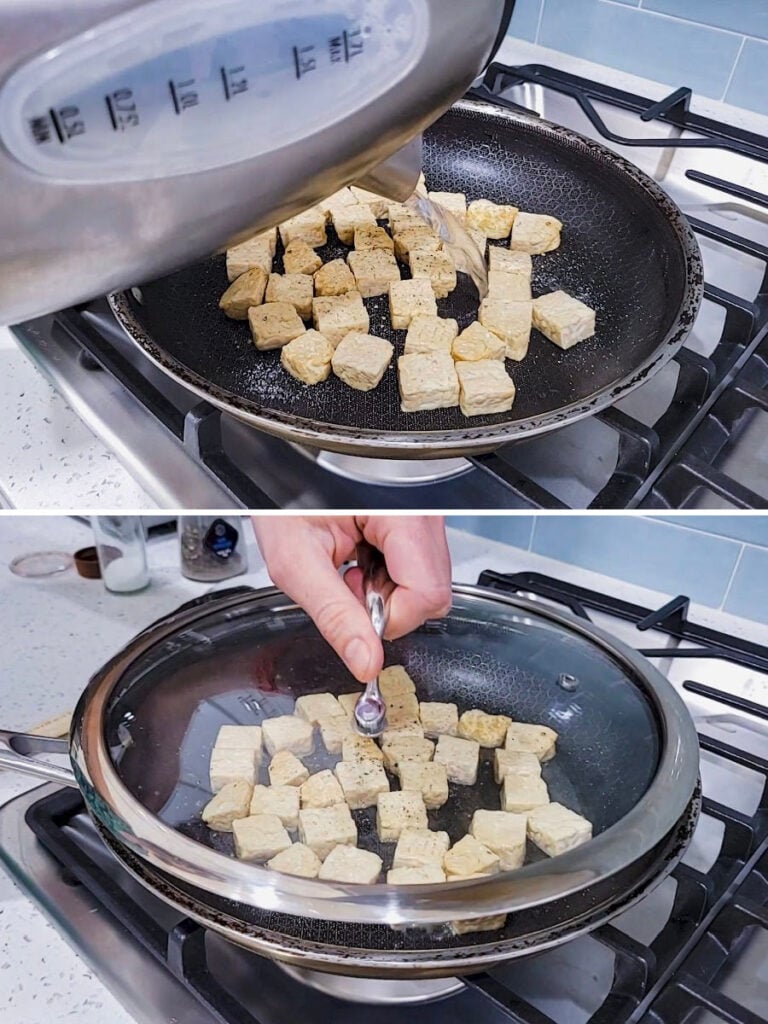
Cook the tempeh until all of the water evaporates. This will take 2-3 minutes.
Once the skillet is dry, remove the lid and add another splash of water (see note*). Cover again and cook until that evaporates as well.
Let the tempeh stay in the dry pan 1-2 minutes longer, or until the pieces are golden brown on the bottom.
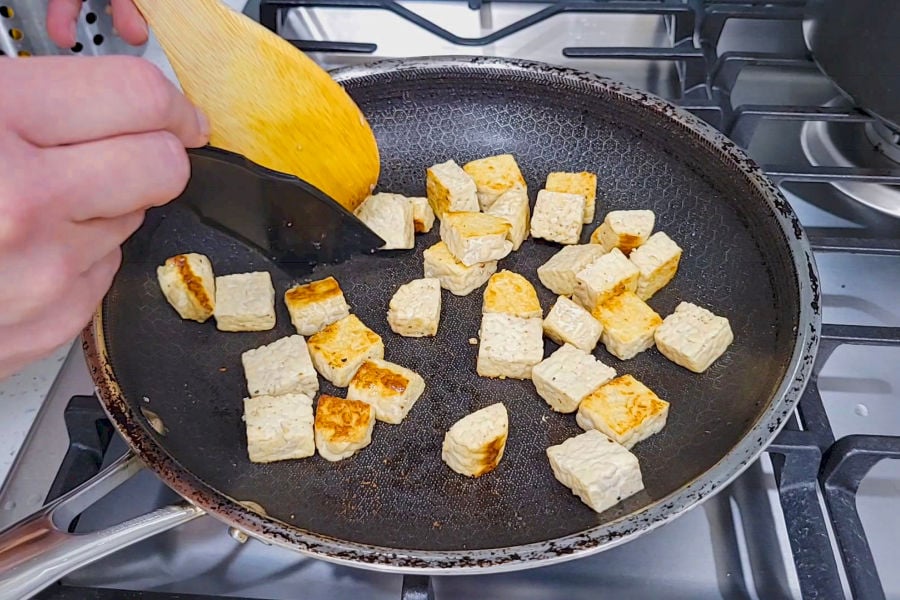
Flip the tempeh pieces and repeat: add water twice, covering each time and letting it evaporate, then cook until the bottoms are golden brown.
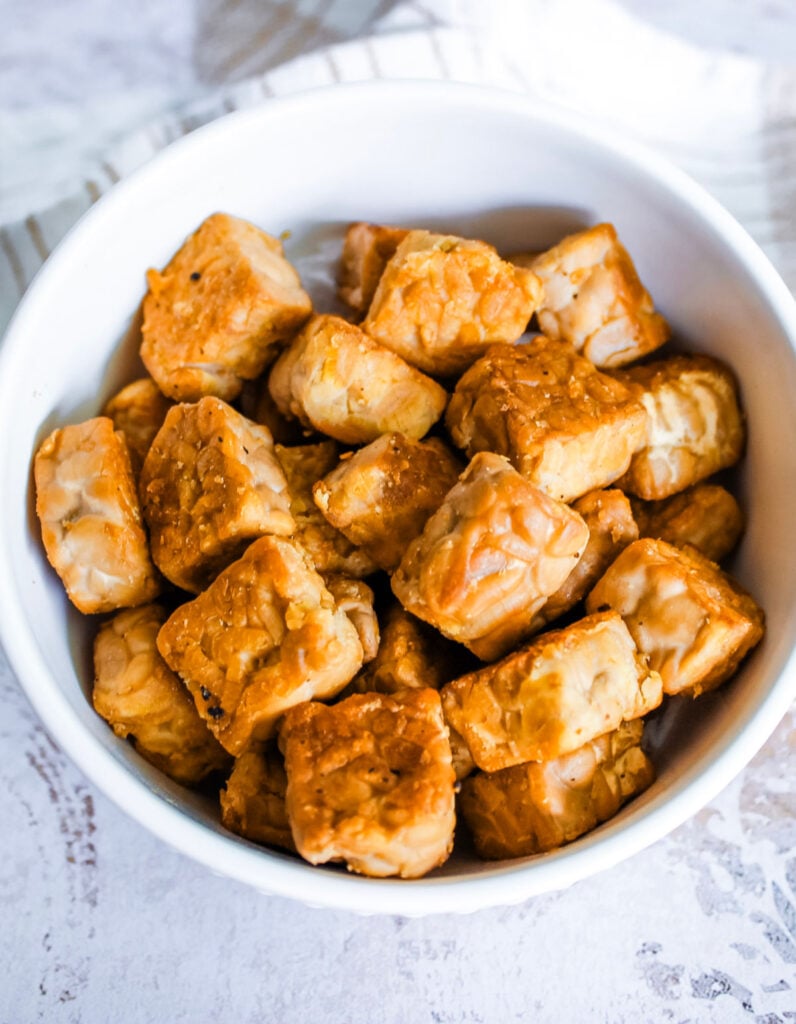
Once the tempeh pieces are fork-tender and golden brown on both sides, turn off the heat and transfer to a bowl.
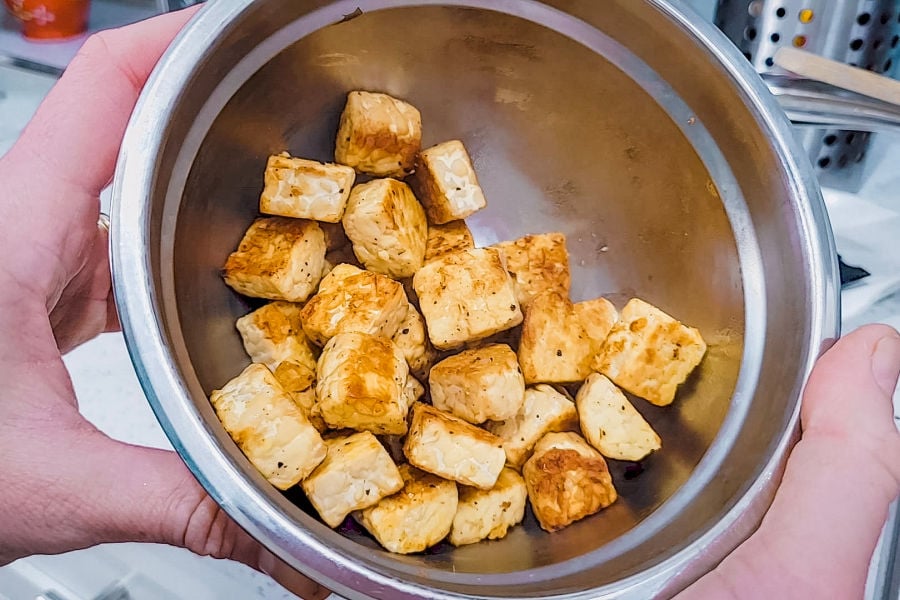
Use in any recipe that calls for cooked tempeh - stir-fries, tacos, grain bowls, salads, etc. For meal prep, store in the fridge for up to 1 week.
*Note: If using fresh, unpasteurized tempeh, add water only once per side instead of twice. Fresh tempeh is more tender, so it softens faster. Pasteurized tempeh has a firmer texture, so I recommend adding water twice per side.
Common Mistakes
➡️ Not Covering the Pan:
The water evaporates quickly, without letting the steam build up. Without steam, tempeh doesn't get a chance rehydrate.
Outcome: Tempeh stays bitter and rubbery inside.
➡️ Not Adding Water:
Water is necessary for building up the steam that will get the moisture back into tempeh. The pieces will start drying out as they cook, so you'll have to add a lot of oil to keep them moist and to prevent burning.
Outcome: Tempeh pieces get crispy on the outside but stay tough on the inside.
➡️ Overcrowding the Pan:
It's important to spread tempeh pieces out in a single layer while they cook. That way, each piece gets a chance to soften from the steam AND get crispy from the heat of the pan.
If the pan is too crowded, everything takes longer to heat up. Once you add a splash of water, it won't turn into steam as quickly, and once it does, it'll take longer to evaporate.
Outcome: Tempeh spends too much time in the steam and gets waterlogged and mushy instead of tender and golden brown.
➡️ Skipping Flipping:
After you add water and let it cook off twice, it's important to flip your tempeh and repeat the process. This way, it has a chance to cook through evenly and get brown on both sides.
Outcome: Tempeh is cooked through unevenly, and only one side gets crispy.
Tempeh FAQ
Cooked Tempeh Serving Ideas
Once your tempeh is cooked, you can use it in lots of ways:
- Eat it as a quick high-protein snack (good warm or cold)
- Toss into a grain bowl alongside cooked grains, raw or cooked veggies, and a drizzle of sauce* (lemon tahini, BBQ, soy sauce + sesame oil, etc.)
- Add to tacos or burritos: arrange some tempeh on a tortilla, add toppings of choice (rice, salsa, chopped scallions or radishes, vegan cheese, etc.)
- Make a tempeh stir-fry*: add tempeh cubes once the stir-fry is almost done, mix into veggies and let heat through.
- Use as a ground meat substitute: crumble up cooked tempeh with a spatula or a fork, then use as needed.
*Note: if using a strong-flavored sauce, don't add salt to tempeh when you're "steam-frying" it.
📖 Recipe
How to Cook Tempeh (No Steaming or Boiling)
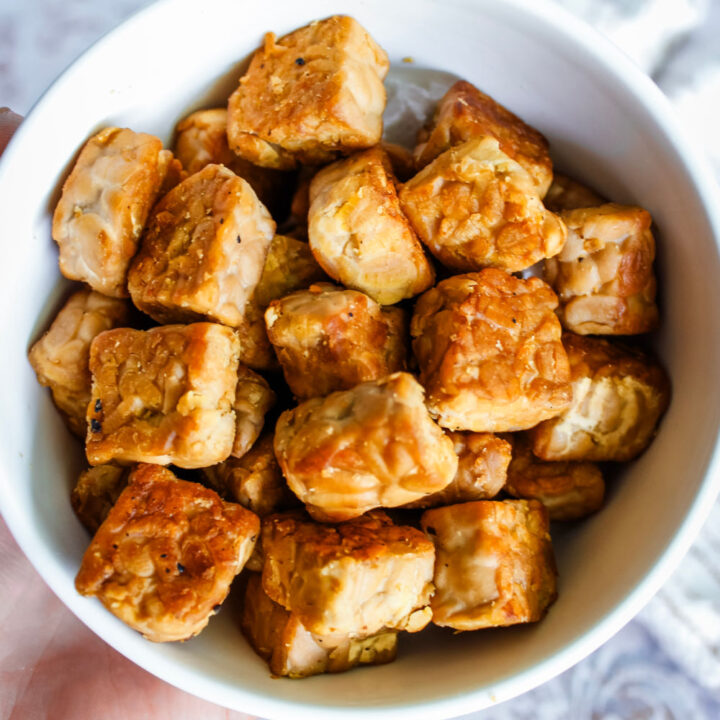
I'm going to show you my easy and quick method for cooking tempeh without boiling or steaming it first. Learn how to cook tempeh that's tender on the inside, crispy on the outside, with a deliciously savory flavor - no more bitterness or rubbery texture! A perfect plant-based protein for stir-fries, grain bowls, tacos, burritos, salads, etc.
Ingredients
- 1 8-oz block of tempeh
- ½ cup water (or more if needed)
- 1 tablespoon avocado oil
Seasoning (optional):
- Pinch salt
- Pinch black pepper
- Pinch garlic powder
Instructions
- Cut the tempeh block crosswise into 6-8 equal strips, then cut each strip into bite-sized pieces (about 6-8 pieces per strip).
- Heat oil in a heavy-bottomed skillet over medium heat. Add tempeh in a single layer*. Cook it in batches if your skillet is small.
- Sprinkle with salt, black pepper, and garlic powder (if using - skip if you'll be adding cooked tempeh to a dish with a strong flavor).
- Add a splash of water and immediately cover with a lid. Reduce heat to medium-low.
- Cook until water evaporates, 2-3 min. Add another splash of water*, cover, and cook until it evaporates again. Keep cooking until the pieces are golden on the bottom, 2-3 min.
- Flip tempeh and repeat: add water twice**, covering each time and letting it evaporate, then cook until the bottoms are golden.
- Once tempeh pieces are fork-tender and golden on both sides, turn off the heat and transfer to a bowl.
- Use as a protein component in any recipe - stir-fries, tacos, grain bowls, salads, etc. For meal prep, refrigerate in an airtight container for up to 1 week.
Notes
* Don’t overcrowd the skillet - tempeh browns best when the pieces have space. If your skillet is small, cook it in batches.
** If using fresh, unpasteurized tempeh: add water only once per side instead of twice. Fresh tempeh is more tender, so it softens faster. Pasteurized tempeh (the kind most commonly sold in US stores) has a firmer texture, so I recommend adding water twice per side.
Recommended Products
As an Amazon Associate and member of other affiliate programs, I earn from qualifying purchases. If you make a purchase through affiliate links on my blog, I receive a very small commission that helps me run this blog, at no extra cost to you. Thank you for your support!


Nutrition Information:
Yield:
3Serving Size:
½ cupAmount Per Serving: Calories: 150Total Fat: 6gSaturated Fat: 1gUnsaturated Fat: 5gSodium: 194mgCarbohydrates: 10gFiber: 3gSugar: 2gProtein: 12g
Please note that the provided nutritional information data is approximate.
I hope you enjoy my easy one-pan method for cooking tempeh as much as we do in our family!
If you've enjoyed this post, share it with your friends on social media! And stick around for more awesomeness - subscribe to Vegan Runner Eats to receive the latest posts (I'll send you my free 10 Easy Vegan Dinners e-book as a thank you), or follow the blog on Facebook, Pinterest, and Instagram.